
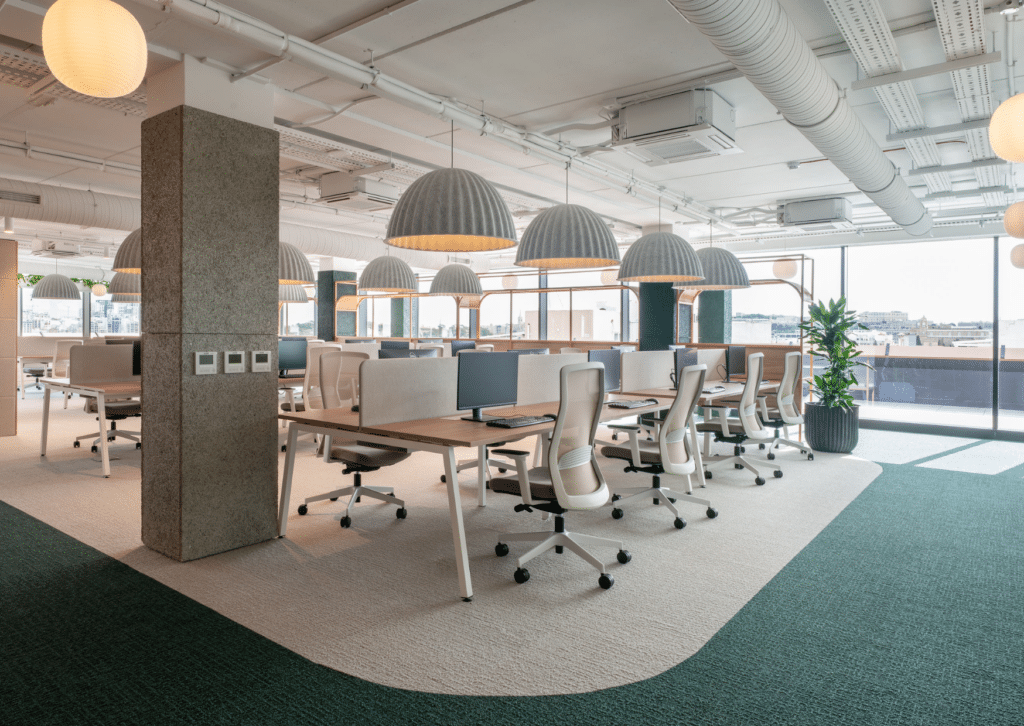
Office furniture plays a pivotal role in shaping the way people work, collaborate, and experience their workplace. As business needs continue to evolve, modern workspaces are moving away from rigid layouts and traditional office setups towards environments that are more flexible, sustainable, technology-driven, and people-focused.
Today, office furniture is no longer selected purely for its aesthetic value. For businesses, it is a strategic investment that can support productivity, employee wellbeing, collaboration, and long-term operational efficiency. From modular office furniture and ergonomic workstations to sustainable materials and smart design solutions, the latest trends are transforming the modern workplace.
Below, we explore the key office furniture trends shaping the future of workspaces and how they can help businesses create more functional, comfortable, and future-ready environments.
1. Flexible and Modular Office Furniture
One of the most significant trends in modern office furniture design is the move towards flexibility. Businesses today need workspaces that can adapt quickly to changing team structures, hybrid working models, meetings, collaborative sessions, and individual focused work.
This is where modularity plays a key role.
Modular office furniture allows businesses to reconfigure their workspace with ease. Modular desks, movable storage units, adaptable seating, acoustic pods, and flexible meeting tables can be rearranged according to the needs of the team or the task at hand. This creates a more efficient and agile office environment, where space can be used more intelligently.
Rather than investing in fixed layouts that may become outdated, companies are choosing furniture solutions that can evolve with them. For growing businesses, this flexibility is especially valuable, as it reduces the need for constant redesigns or furniture replacements.
A flexible workspace supports collaboration, creativity, and productivity, while giving employees the freedom to work in a way that suits them best.
2. Sustainable Office Furniture and Eco-Friendly Materials
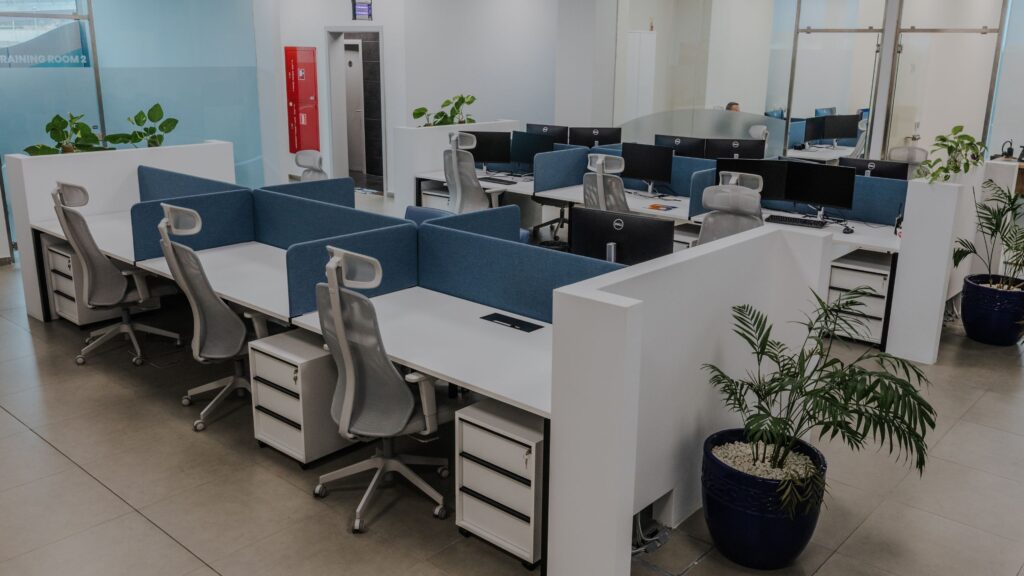
Sustainability has become a central consideration in office design. More businesses are looking for sustainable office furniture solutions that reduce environmental impact while supporting healthier and more responsible workplaces.
Modern office furniture is increasingly being designed using recycled, recyclable, responsibly sourced, and low-impact materials. These may include recycled metals and plastics, certified wood, natural fabrics, and other eco-conscious finishes. Choosing sustainable furniture is not only beneficial for the environment, but can also contribute to better indoor air quality and a healthier working environment.
However, sustainability is not only about the materials used. It is also about durability, quality, and longevity.
Well-designed furniture that lasts longer helps reduce waste and lowers the need for frequent replacements. Adaptable furniture also supports sustainability by allowing businesses to reuse and reconfigure existing pieces as their needs change, instead of starting from scratch.
For B2B environments, investing in sustainable office furniture can also support wider ESG goals, enhance corporate responsibility, and reflect a company’s commitment to better business practices.
3. Smart Design and Technology Integration
Technology is now an essential part of the modern workplace, and office furniture is evolving to support this shift. Smart design is about creating furniture solutions that make the working day more seamless, efficient, and connected.
Modern office furniture increasingly incorporates features such as integrated power outlets, cable management systems, wireless charging, height-adjustable desks, monitor arms, acoustic solutions, and technology-friendly meeting tables. These details may seem small, but they can significantly improve the functionality of a workspace.
For example, height-adjustable desks support movement throughout the day, while integrated power access keeps workstations organised and reduces clutter. Acoustic furniture and sound-absorbing solutions help create quieter zones for focused work, particularly in open-plan offices.
Smart design is not simply about adding technology for the sake of it. It is about creating a workspace that supports the way businesses and employees actually work. By integrating technology into furniture and layout planning, companies can create offices that are more efficient, comfortable, and responsive to daily needs.
4. Ergonomics and Employee Wellbeing
Employee wellbeing is now a major priority in workplace design. As people spend a significant portion of their day at work, businesses are increasingly recognising the importance of creating environments that support comfort, health, and productivity.
Ergonomic office furniture is central to this.
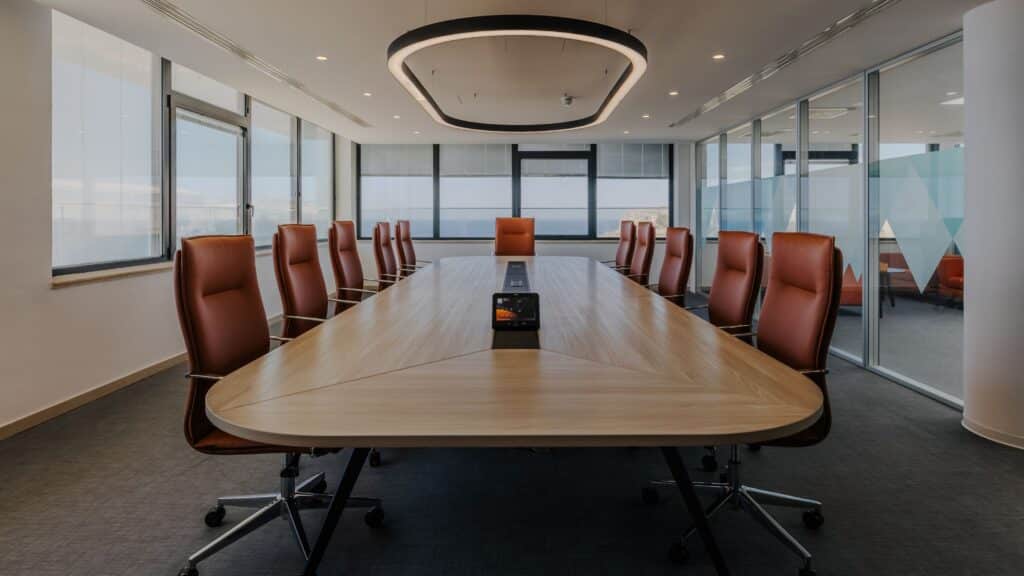
Ergonomic chairs, adjustable desks, supportive seating, monitor solutions, and well-planned workstations can help reduce physical strain and improve posture throughout the working day. When employees are comfortable, they are better positioned to focus, collaborate, and perform at their best.
Workplace wellbeing also extends beyond the desk. Breakout areas, soft seating, quiet zones, and collaborative spaces all contribute to a more balanced office environment. A well-designed workspace should support different types of work, from focused individual tasks to informal discussions and team meetings.
For businesses, investing in wellbeing-focused office furniture can lead to a more positive employee experience and a stronger workplace culture.
5. Biophilic Office Design
Biophilic design is another important trend in modern office interiors. This approach focuses on incorporating natural elements into the workplace to create a calmer, healthier, and more inspiring environment.
In office furniture and design, biophilic principles may include the use of natural materials such as wood, stone, cork, bamboo, and organic fabrics. It can also involve maximising natural light, introducing indoor plants, using earthy colour palettes, and creating layouts that feel open and connected to nature.
The result is a workspace that feels warmer, more inviting, and more human.
For many businesses, biophilic office design is an effective way to soften corporate environments and create spaces that employees genuinely enjoy spending time in. It can also support wellbeing, focus, and creativity by making the office feel less sterile and more balanced.
When combined with ergonomic furniture, sustainable materials, and flexible layouts, biophilic design can help create a workplace that feels both professional and restorative.
6. Designing Workspaces for Hybrid Work
Hybrid working has changed the way businesses think about office space. The office is no longer just a place where employees complete individual tasks. It has become a destination for collaboration, meetings, training, culture-building, and focused work when needed.
This shift has influenced the way office furniture is selected and arranged.
Businesses are now creating multi-purpose workspaces that can support a range of activities throughout the day. This may include hot-desking areas, touchdown stations, meeting pods, collaborative tables, lounge areas, and quiet work zones.
Furniture needs to be practical, adaptable, and easy to use. Employees should be able to move between different settings depending on the type of work they are doing.
For companies, this means office furniture must do more than fill a space. It must help define how that space functions.
Creating a Future-Ready Workspace
When we think of design, we often focus on appearance. But in the modern workplace, design goes much further. It is about creating an environment that supports people, improves efficiency, encourages collaboration, adapts to change, integrates technology, and makes more sustainable choices.
The latest trends in modern office furniture design reflect a wider shift in how businesses view the workplace. Furniture is no longer a simple operational purchase. It is an investment in productivity, wellbeing, brand identity, employee experience, and long-term business performance.
Whether your company is redesigning an existing office, furnishing a new workspace, or looking to improve comfort and functionality, choosing the right office furniture can make a meaningful difference.
Explore our collection of office furniture or get in touch with our team for quotes and further information!